![A 10th Mountain Division soldier sits outside the Hotel Jerome sipping a milkshake, most likely the J-Bar's iconic boozy Aspen Crud. PHOTO COURTESY OF DENVER PUBLIC LIBRARY SPECIAL COLLECTIONS [TMD351-2018-15]](https://media.modernluxury.com/ntgpghfuax/styles/article-hero-reg/2026/06/10/75-2637373603-6a29051c53713.jpg.webp?t=4d87a07c.webp)
1944
As America marks 250 years since the signing of the Declaration of Independence, Colorado commemorates 150 years of statehood. The Centennial State boasts a rich heritage steeped in the American West, from its legendary gold and silver mines to ornate opera houses to world-class ski resorts. Here, we celebrate milestones that shaped our state—and the people whose vision and ambition helped to define its history.
1876
A U.S. Territory since 1861, Colorado becomes the 38th state just as the United States turns 100, earning Colorado the nickname the Centennial State. Adding the flag’s 38th star took five tries and more than 15 years of turmoil.
1876
A three-story red-brick building set on a treeless plateau, Old Main is constructed on Boulder’s University of Colorado campus.
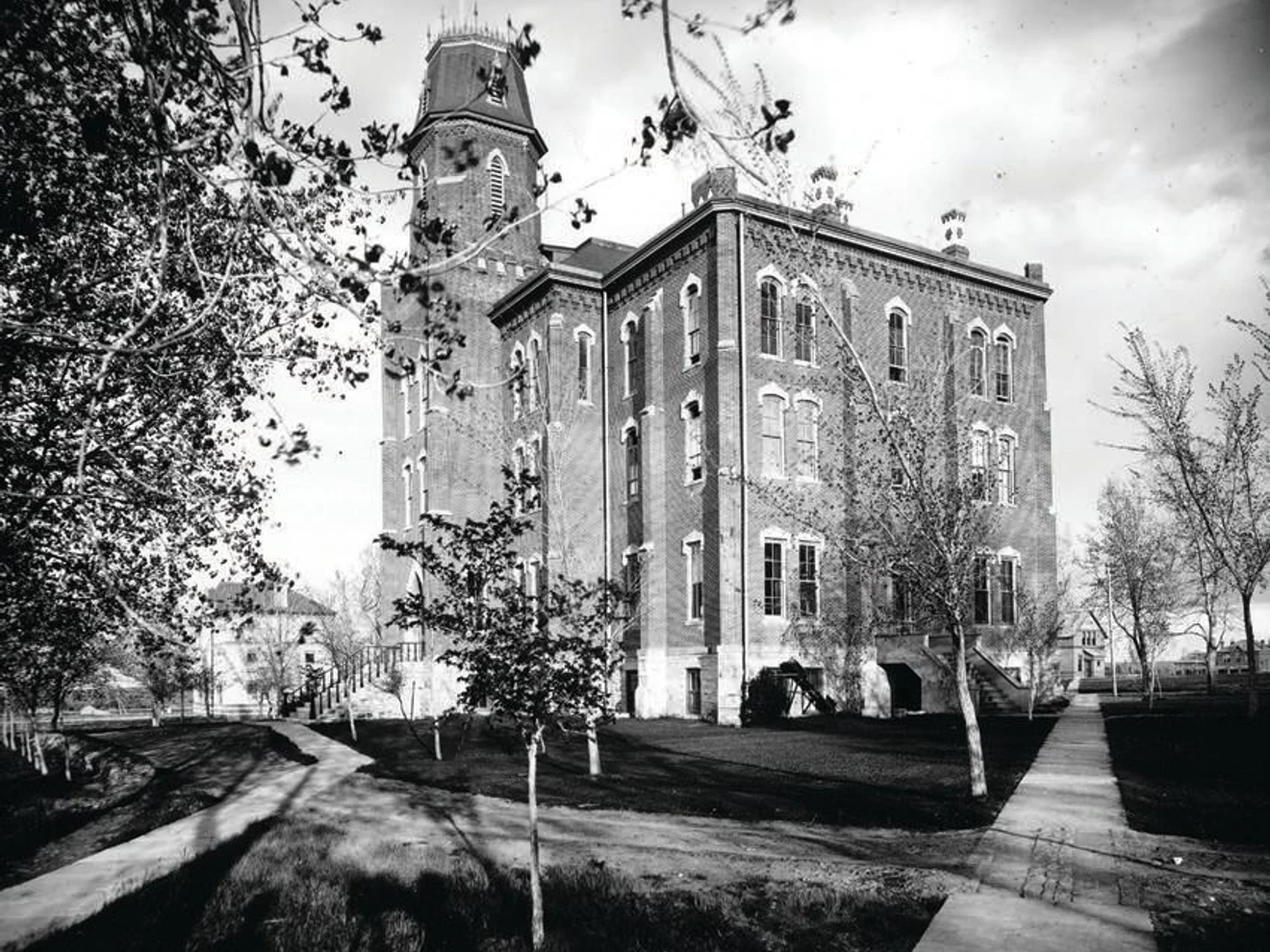
At the University of Colorado, construction finishes on Old Main in 1876; the first classes are held the next year. The cost of tuition in 1878 is estimated at between $118 and $250 a year.
PHOTO COURTESY OF UNIVERSITY OF COLORADO BOULDER LIBRARIES
1879
Severe drought leads to forest fires in the high country, clearing timber and setting the stage for the wide-open terrain in Vail Mountain’s legendary Back Bowls.
1879
Gilded Age magnate Horace Tabor and his wife Baby Doe amass a fortune during the silver boom, and his namesake Tabor Opera House opens in Leadville. They lose it all when the price of silver crashes in 1893.
1880
![A group of men in suits and bowler hats bid on mining stocks during a night call at the Board of Trade and Mining Exchange in Colorado Springs. PHOTO COURTESY OF DENVER PUBLIC LIBRARY SPECIAL COLLECTIONS [P-1849]](https://media.modernluxury.com/ntgpghfuax/styles/featured-4-3/2026/06/10/77-2637373603-6a290529b7d60.jpg.webp?t=fd74bb1b.webp)
A group of men in suits and bowler hats bid on mining stocks during a night call at the Board of Trade and Mining Exchange in Colorado Springs.
PHOTO COURTESY OF DENVER PUBLIC LIBRARY SPECIAL COLLECTIONS
1889
Mining tycoon Jerome B. Wheeler opens the Hotel Jerome and the Wheeler Opera House in Aspen. Between 1860 and 1920, 132 opera houses are built in 68 Colorado towns. Structures still standing today include the Wheeler, Central City Opera House, Telluride’s Sheridan Opera House, Ouray’s Wright Opera House and Leadville’s Tabor Opera House.
1892
The Brown Palace Hotel, renowned for its stunning eight-story atrium lobby and traditional afternoon tea, opens in Denver.
1893
Construction begins on the Argo Tunnel, serving mines in Central City—“the richest square mile on Earth.” The Argo Gold Mill, built in 1914, crushes ore 24 hours a day and can be heard for 20 miles. A flood in 1943 shuts operations down. The site opens for tours in the 1970s and is placed on the National Register of Historic Places.
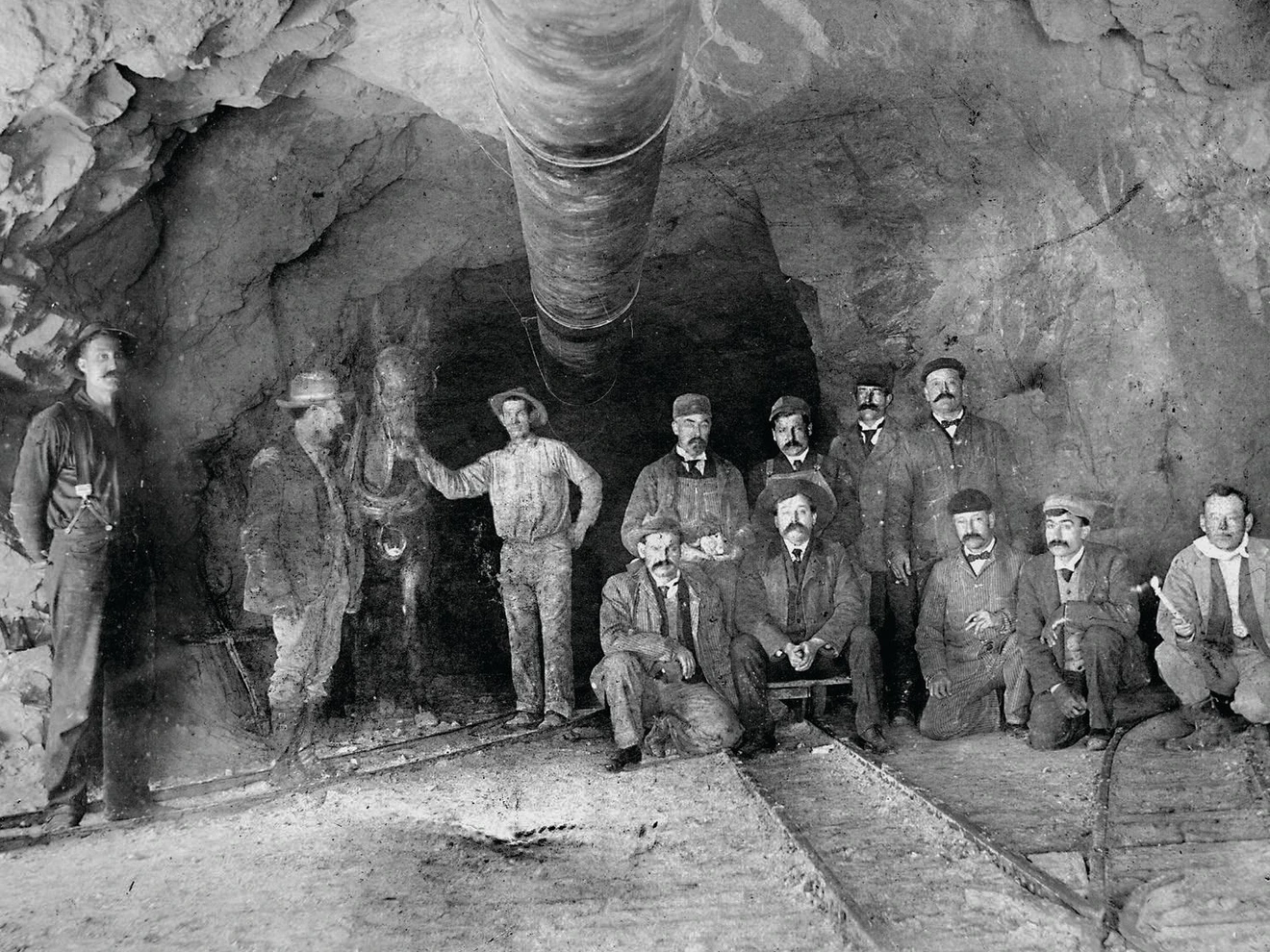
Samuel Newhouse envisioned a drainage tunnel dug below the mines between Idaho Springs and Central City to avoid hauling water out of the shafts. Construction on the Newhouse Tunnel, later known as the Argo Tunnel, began in 1893.
PHOTO COURTESY OF THE HISTORICAL SOCIETY OF IDAHO SPRINGS
1893
Colorado becomes the first state to grant women the right to vote through a popular referendum.
1902
The Mining Exchange building, a five-story stone structure with a dentiled cornice and garland friezes, opens in Colorado Springs. Here, stockbrokers gather in front of trading boards to bid on gold and silver mining company stocks.
1908
Boulder’s early residents band together, buying $100 shares to finance the Hotel Boulderado. Built in a mix of Italian Renaissance and Spanish Revival styles, the landmark hotel opens its doors with a New Year’s Eve ball. The first guests sign the register on Jan. 1, 1909, greeted in a grand lobby with a cantilevered cherry staircase and an ornate domed ceiling fashioned from handblown Italian cathedral glass.
1912
Margaret “Molly” Brown survives the Titanic, earning the nickname the “Unsinkable Molly Brown.” She returns to her Denver mansion, using her celebrity to advocate for workers’ rights and women’s suffrage. Her home is now the Molly Brown House Museum (mollybrown.org).
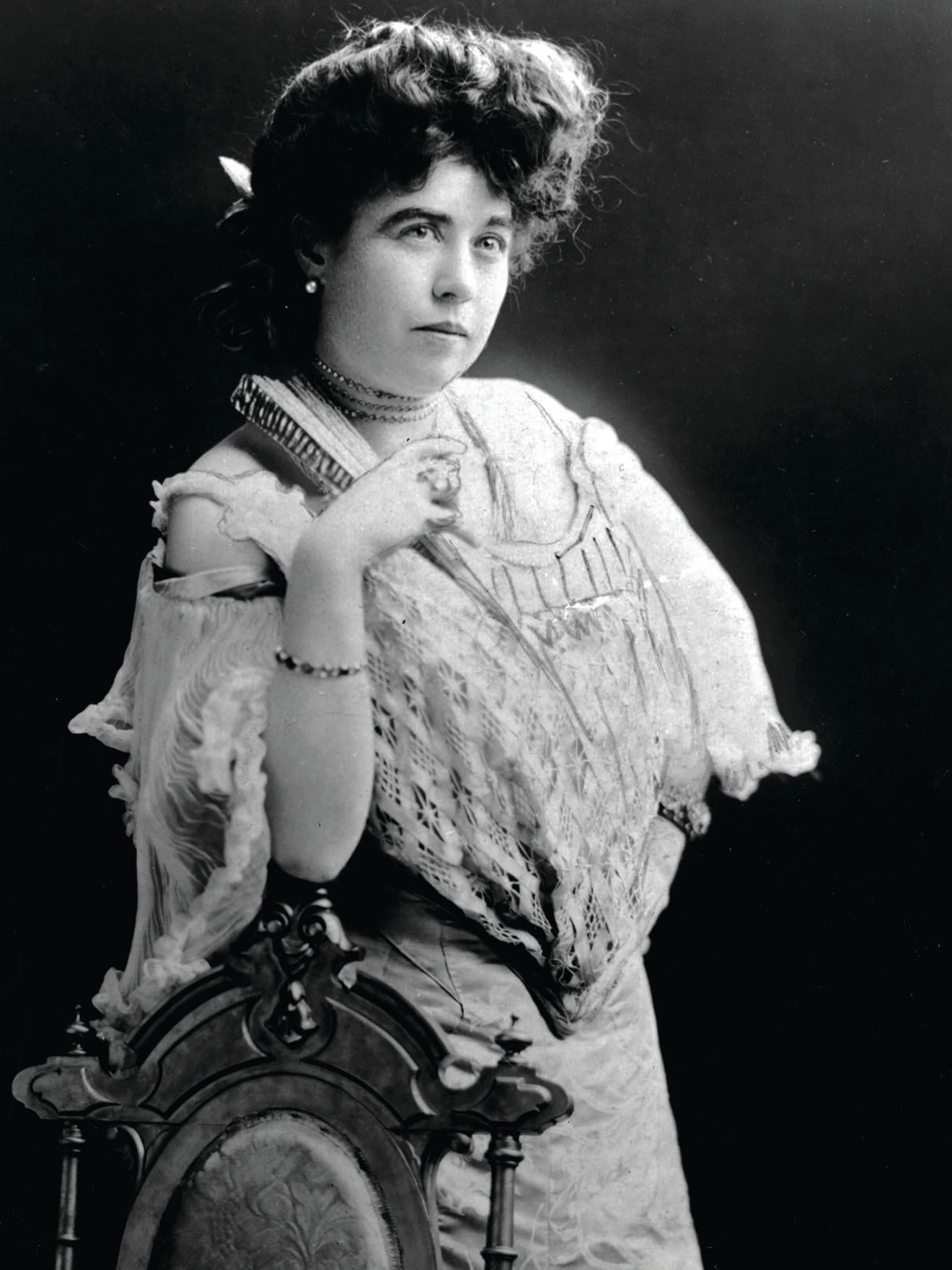
Titanic survivor, activist and philanthropist Molly Brown traveled widely and favored high-end fashions from Paris. She and her husband, James Joseph Brown, built a mansion in Denver's Capitol Hill neighborhood just before the silver crash of 1893.
PHOTO COURTESY OF HISTORY COLORADO
1914
After an electrical fire started by a chandelier in the ladies’ waiting room burns down the original 1881 Union Station, a new Beaux-Arts masterpiece in granite with an elegant Great Hall opens. In 1931, the Mizpah Arch that welcomed travelers is removed to accommodate automobile traffic.
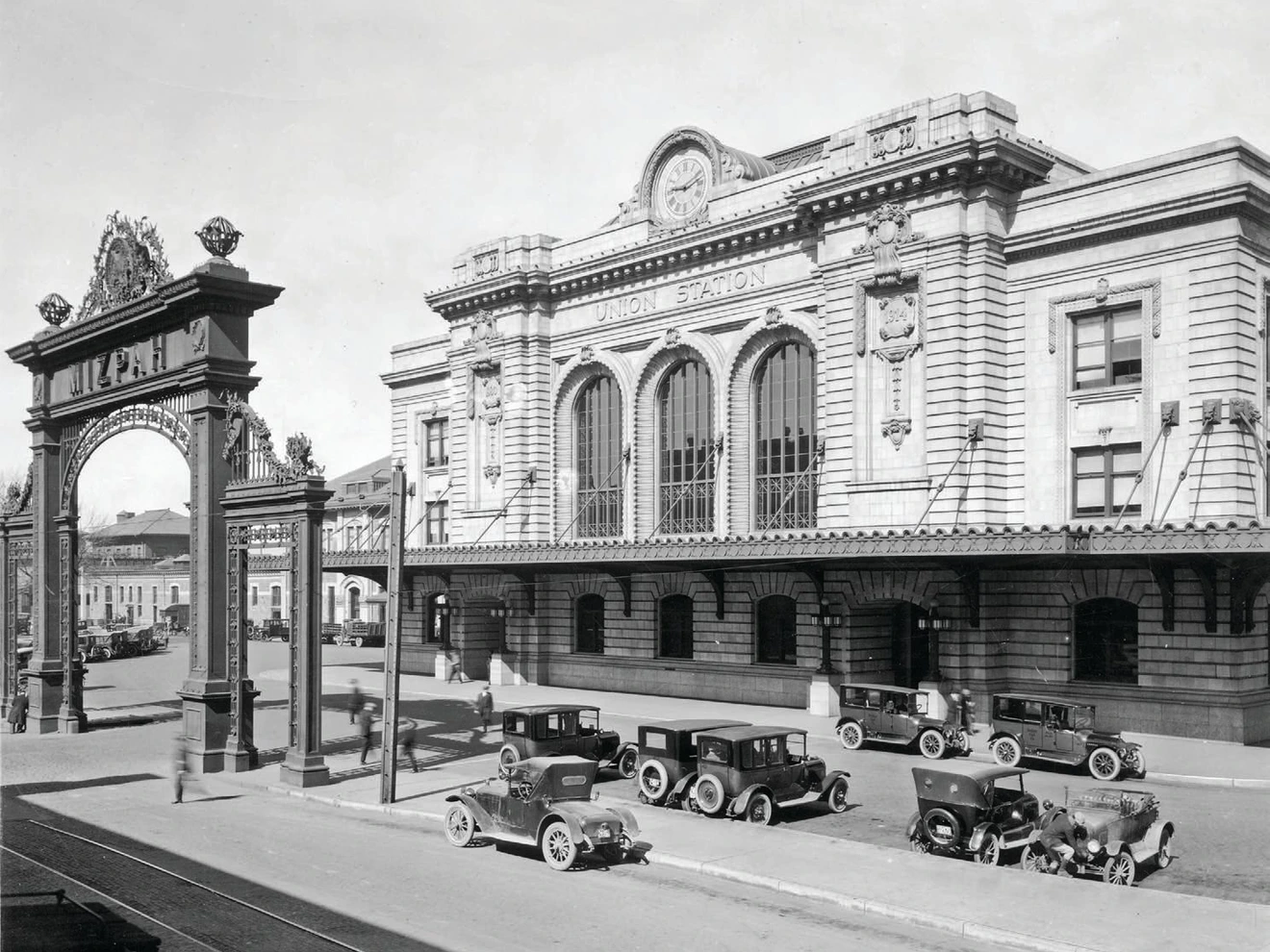
The Mizpah Arch stood in front of Union Station from 1906 to 1931, when it was deemed a traffic hazard. The iconic Travel by Train neon sign wouldn't be added until 1952.
PHOTO COURTESY OF DENVER UNION STATION
1915
Norwegian ski jumper Carl Howelsen opens Steamboat Springs’ Howelsen Hill, Colorado’s oldest continuously operating ski area. He also organizes the town’s first winter carnival (in 1914), headlined by ski jumping.
1918
Mining magnate Spencer Penrose opens The Broadmoor in Colorado Springs, known as the Grand Dame of the Rockies.
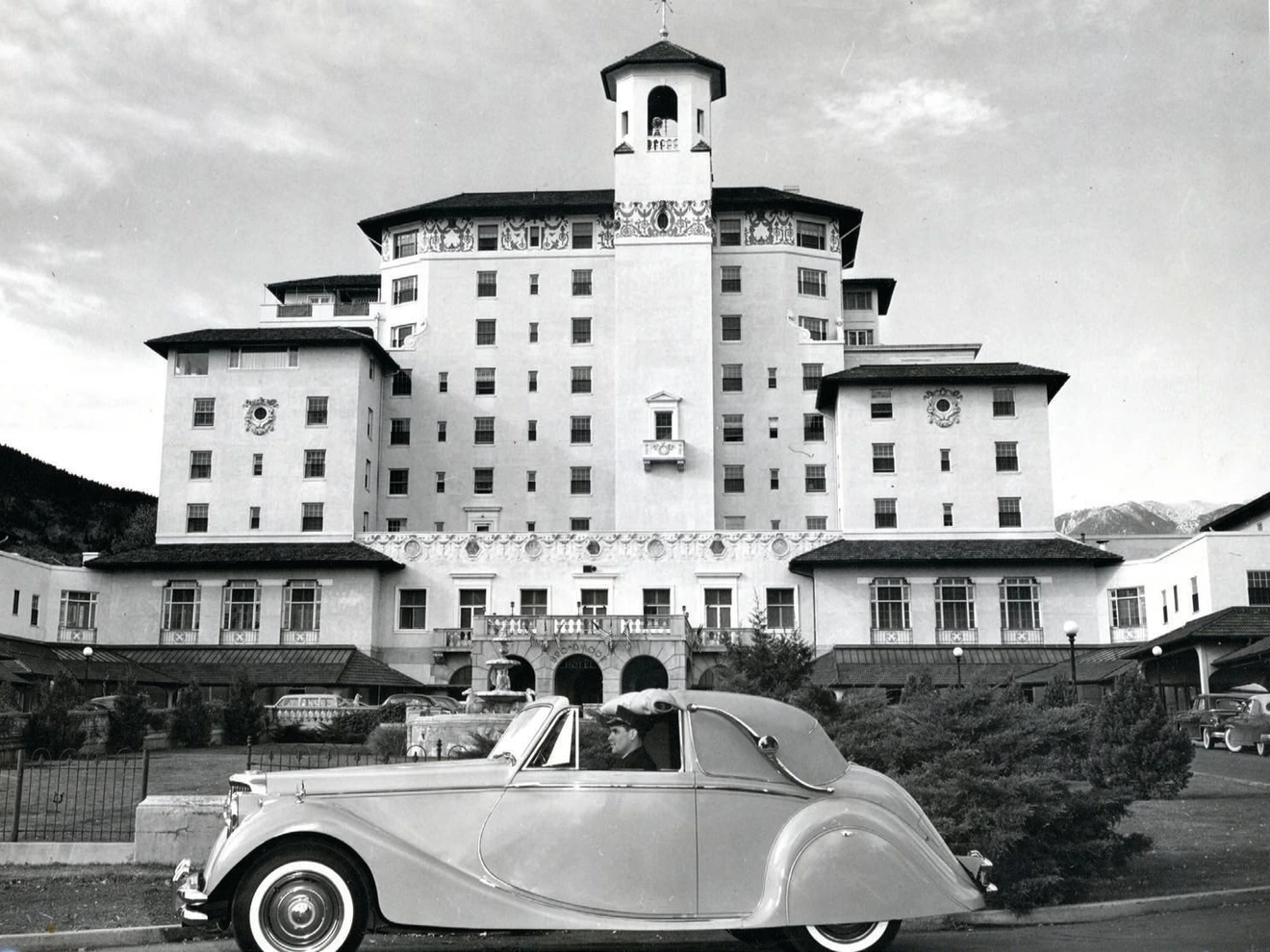
American entrepreneur Spencer Penrose opened The Broadmoor in 1918, elevating the city of Colorado Springs.
PHOTO COURTESY OF THE BROADMOOR
1921
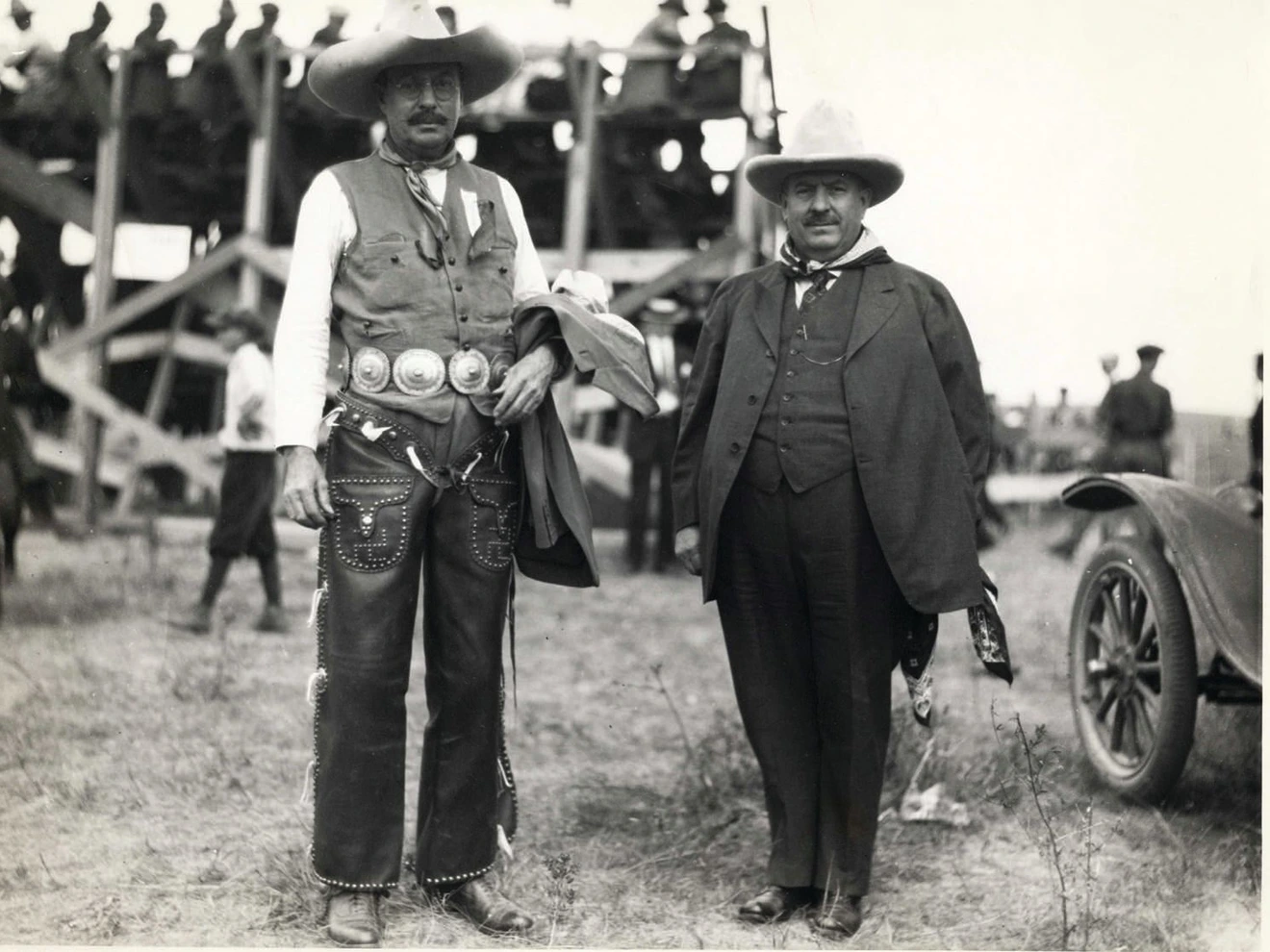
Colorado Gov. O.H. Shoup (right), with Broadmoor founder Spencer Penrose, kicked off the Colorado Springs Rodeo in 1921 with a short speech. Let'er go! he proclaimed.
PHOTO COURTESY OF THE BROADMOOR
1925
Jack and Gertrude Smillie open the C Lazy U Ranch, formerly known as F Slash Ranch, as a working guest ranch. For the next century, the luxury dude ranch in Granby will continue to welcome guests for a classic Western cowboy experience.
1937
Berthoud Pass installs an 878-foot-long rope tow at the summit of the pass.
1937
Boulder high school students move from the State Preparatory School housed in University of Colorado’s Old Main to a new Art Deco building with a red sandstone facade that mirrors CU’s buildings.
1940
Winter Park ski area opens, and the Rio Grande Railroad launches the Ski Train, delivering skiers from Denver’s Union Station to the slopes.
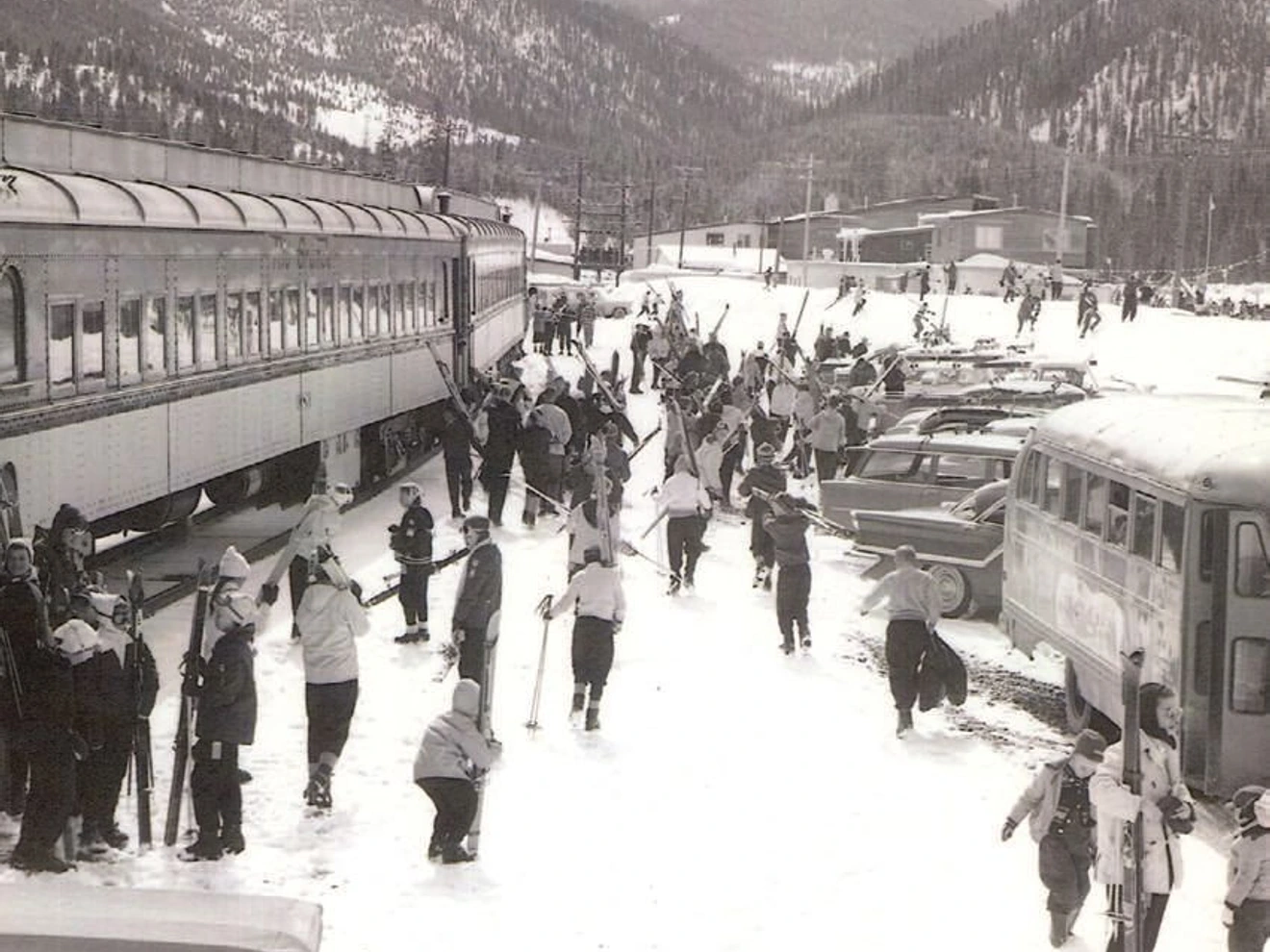
The Ski Train first pulled out of Union Station in 1940, bringing skiers to the newly opened Winter Park ski resort. Every weekend, 300 children from the Eskimo Ski Club traveled by train to ski.
PHOTO COURTESY OF COLORADO SNOWSPORTS MUSEUM
1942
The 10th Mountain Division trains at Camp Hale during World War II. The U.S. Army installs a 6,000-foot T-bar on Cooper Hill (now Ski Cooper) to train the soldiers for winter warfare. After the war, 10th Mountain veterans return home to help found Colorado ski resorts.
1946
Ernest and Meezie Keyes establish Tumbling River Ranch on 23 acres in Grant, Colorado. The property features a ranch house built in 1936 for Denver mayor Quigg Newton. Today, the lodge that anchors Tumbling River Ranch recently underwent an $8 million renovation.
1946
Jack A. Weil founds Rockmount Ranch Wear Mfg. Co., headquartered on Denver’s Wazee Street. The company is credited with inventing the original Western shirt with snaps, which becomes an American icon worn by cultural legends like Elvis Presley, Bob Dylan and Paul McCartney.
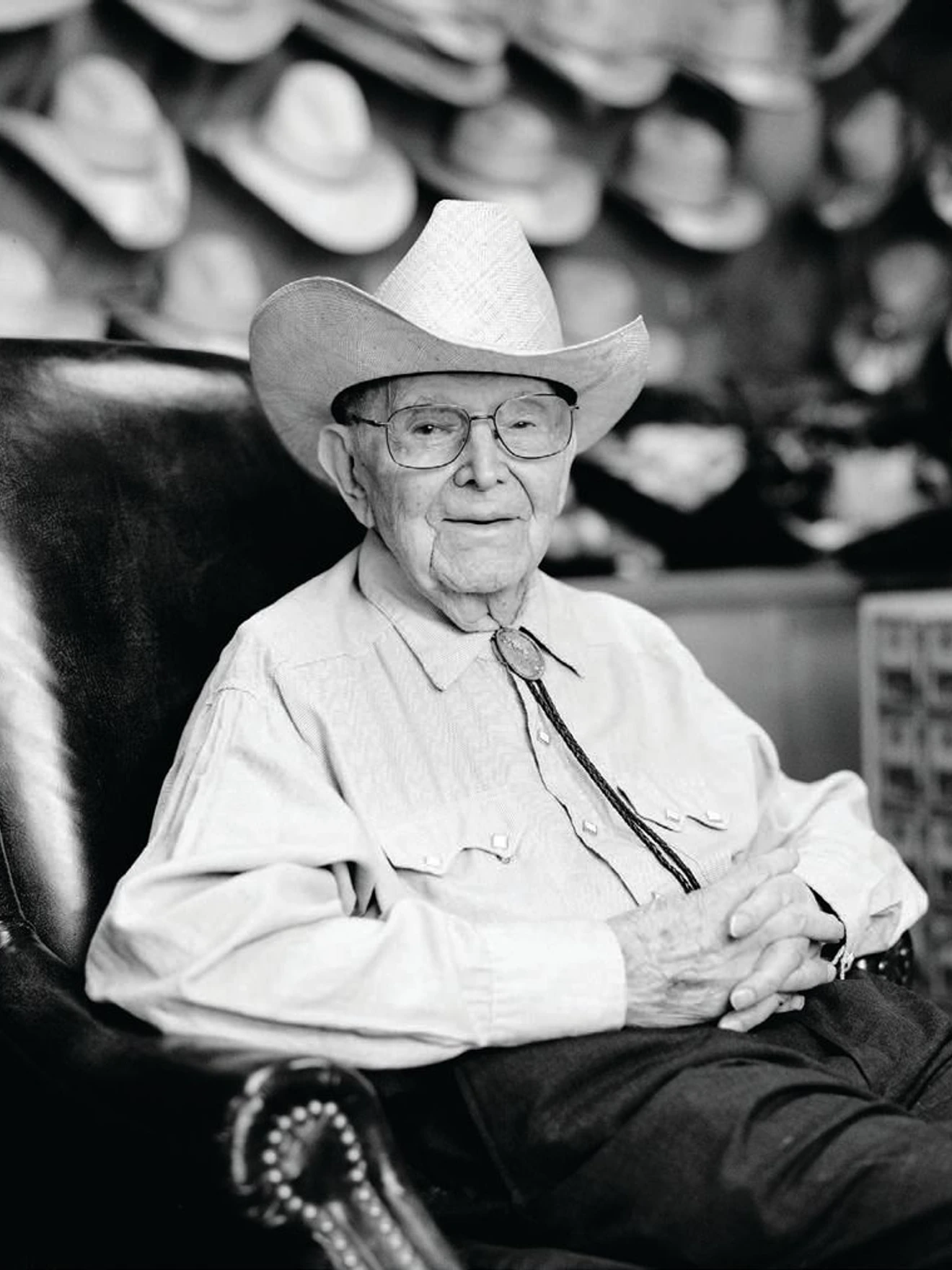
Eighty years ago, Jack A. Weil founded Rockmount Ranch Wear Mfg. Co. Third-generation owner Steve Weil runs the business today, selling Rockmount's signature Western shirts out of a historic Denver storefront.
PHOTO COURTESY OF ROCKMOUNT
1947
The brainchild of 10th Mountain veteran Friedl Pfeifer, Lift One officially debuts on Aspen Mountain. The single chairlift is billed as “the longest chairlift in the world.” Its design is featured on the 1948 cover of Popular Mechanics. A year earlier, Pfeifer had partnered with industrialist Walter Paepcke to form the Aspen Skiing Corp. While Pfeifer’s vision was for Aspen’s skiing future, Paepcke focused on Aspen’s cultural and intellectual growth.
1947
Klaus Obermeyer launches his eponymous skiwear company, fashioning a ski parka out of a down comforter his mother had given him for the trip from Germany to America. Obermeyer sells the prototype to his movie-star friend Gary Cooper.
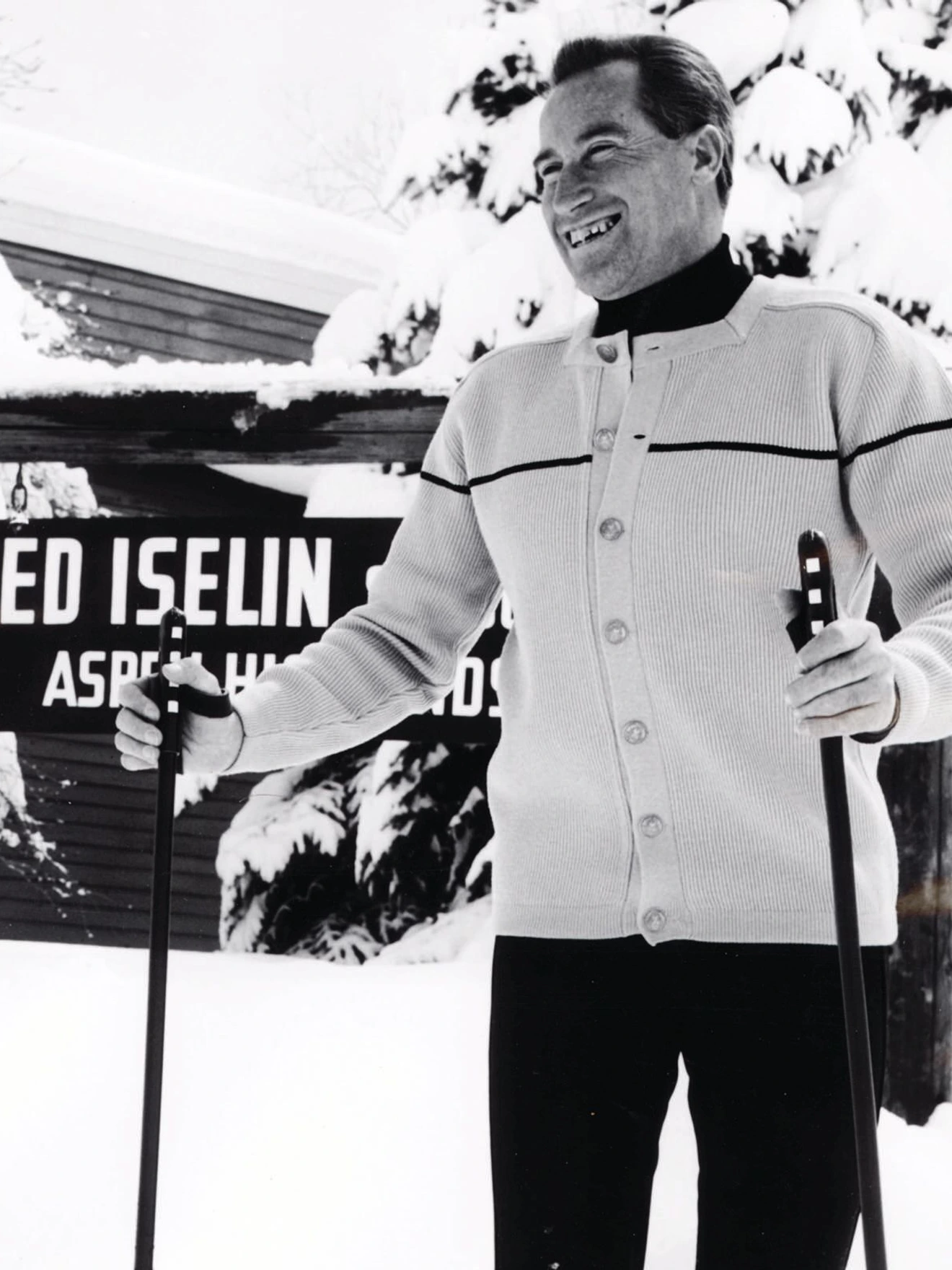
Klaus Obermeyer started his skiwear company in an effort to make the sport of skiing more comfortable.
PHOTO COURTESY OF OBERMEYER
1961
The Denver Water Board makes plans to flood the Blue River Valley to create a drinking reservoir, giving residents of Old Dillon until April 1, 1961, to vacate the premises. The Mint, built in 1862, is moved to Silverthorne. The Dillon Inn is pulled off its foundation at 11 a.m., transported to Silverthorne and serves beer by happy hour. Today, The Mint sits at the center of the town’s Fourth Street Crossing development. And the Old Dillon Inn, now completely enclosed inside the sprawling new development, recently turned its taps back on.
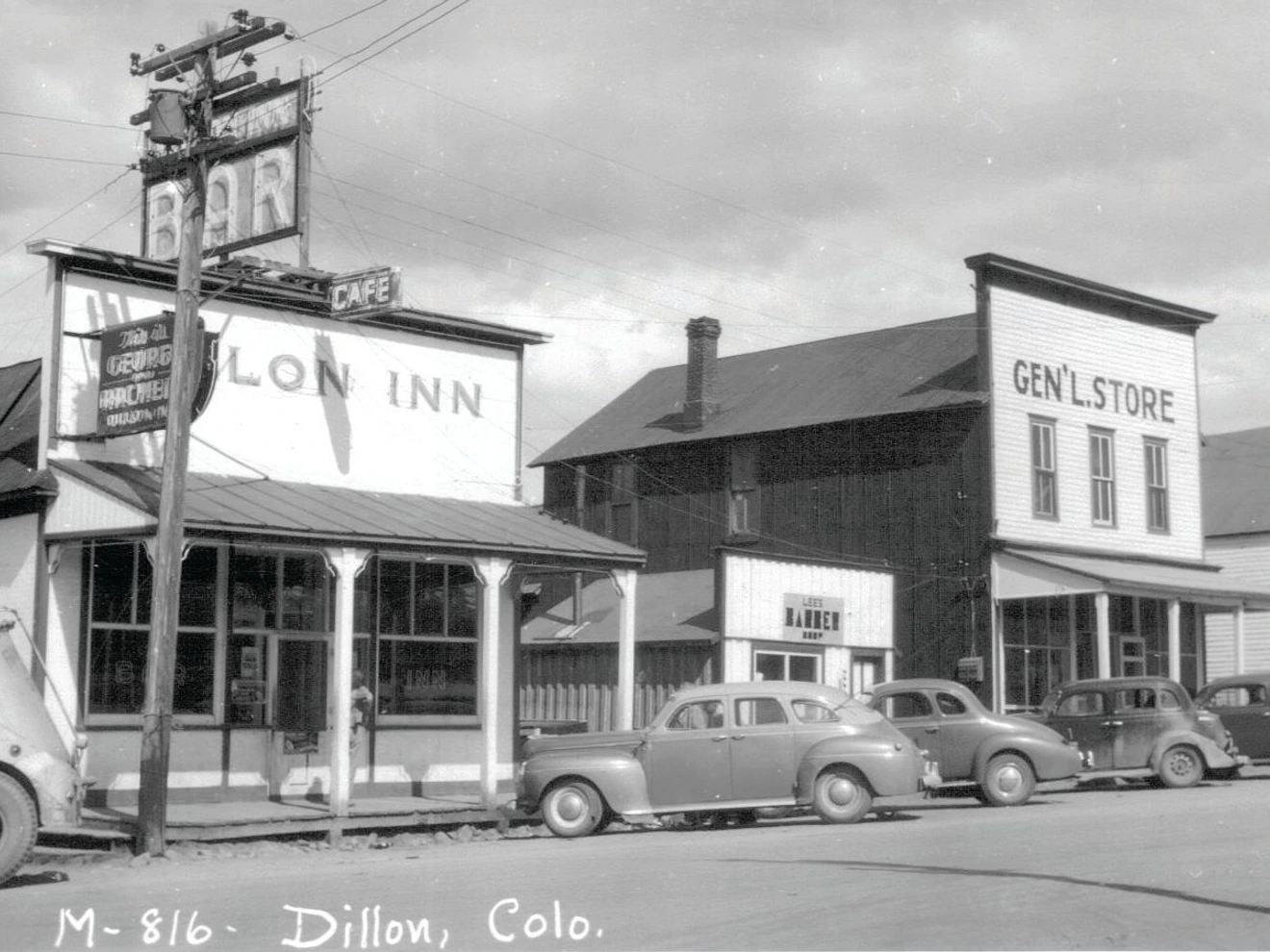
The Mint, built in 1862, was originally located in Kokomo before moving to Frisco, then Old Dillon. In 1961, it finally came to rest in Silverthorne.
PHOTO COURTESY OF THE MINT
1961
Trygve Berge cofounds Breckenridge with fellow Norwegian Sigurd Rockne. In those early years, they create Ullr Fest, a beloved Breck tradition for more than six decades. The inaugural winter carnival garners national attention for its “visa requirements” to enter the Kingdom of Breckenridge and “jail time” for the un-costumed. Berge passed away this year at 93.
1962
Realizing the ambitious vision of 10th Mountain Division veteran Pete Seibert and Army engineer Earl Eaton, Vail Mountain opens with a gondola, two double chairlifts and $5 lift tickets.
1964
A ski racer, Navy flight instructor and fashion designer featured in Vogue and Harper’s Bazaar, Ann Bonfoey Taylor wears custom couture on the slopes, cementing Vail’s reputation for high-style luxury. She and her husband, oilman Vernon “Moose” Taylor, build one of Vail’s first chalets.
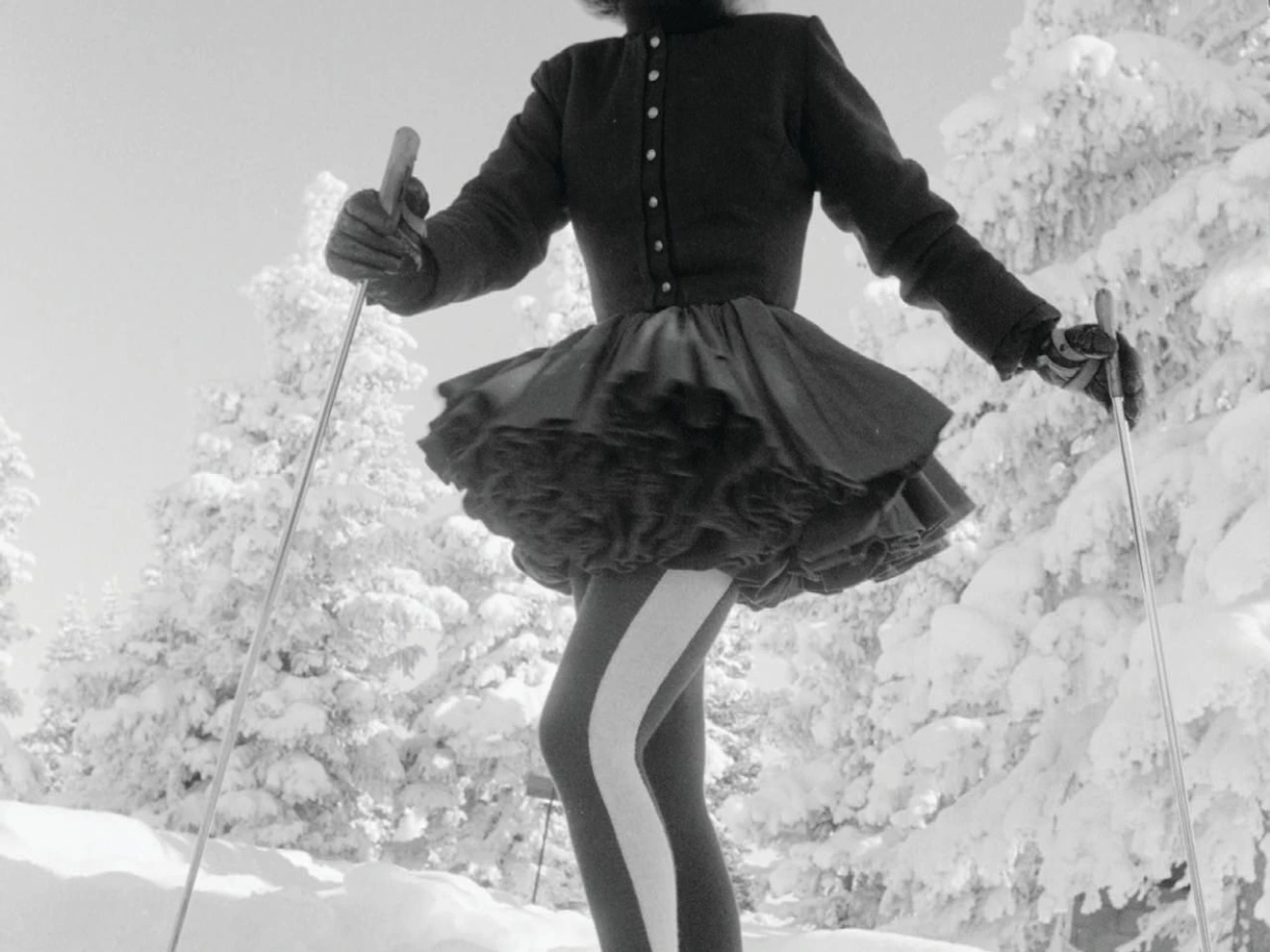
In the 1960s, fashion icon Ann Bonfoey Taylor wore her own couture creations on the slopes of Vail Mountain.
PHOTO COURTESY OF LIBRARY OF CONGRESS, PRINTS & PHOTOGRAPHS DIVISION, TONI FRISSELL PHOTOGRAPH COLLECTION
1970
The International Olympic Committee awards the 1976 Winter Olympic Games to Denver, with alpine skiing competitions initially slated for Loveland ski area and undeveloped Mount Sniktau before shifting to Vail Mountain. Two years later, Colorado voters reject a statewide referendum to host the Games, which ultimately take place in Innsbruck, Austria.
![The Denver Olympic Committee, including University of Denver ski coach Willy Schaeffler (second from right), boards a plane for Amsterdam to make a pitch for the 1976 Winter Olympic Games. PHOTO COURTESY OF DENVER PUBLIC LIBRARY SPECIAL COLLECTIONS [WH2129-2018-366]](https://media.modernluxury.com/ntgpghfuax/styles/featured-4-3/2026/06/10/88-2637373603-6a2905aa4bdee.jpg.webp?t=82459a83.webp)
The Denver Olympic Committee, including University of Denver ski coach Willy Schaeffler (second from right), boards a plane for Amsterdam to make a pitch for the 1976 Winter Olympic Games.
PHOTO COURTESY OF DENVER PUBLIC LIBRARY SPECIAL COLLECTIONS
1974
Stephen King spends a night at The Stanley Hotel in Estes Park as it prepares to close for the season. Here, the author finds inspiration for his novel The Shining, which is later adapted into the 1980 film.
1975
Mary Jane ski resort opens on a mining claim once owned by a local madam of ill repute by the same name.
1980
Purpose-built for luxury with heated sidewalks and impeccably groomed slopes, Beaver Creek ski resort opens for business. A large white tennis bubble serves as its temporary base lodge.
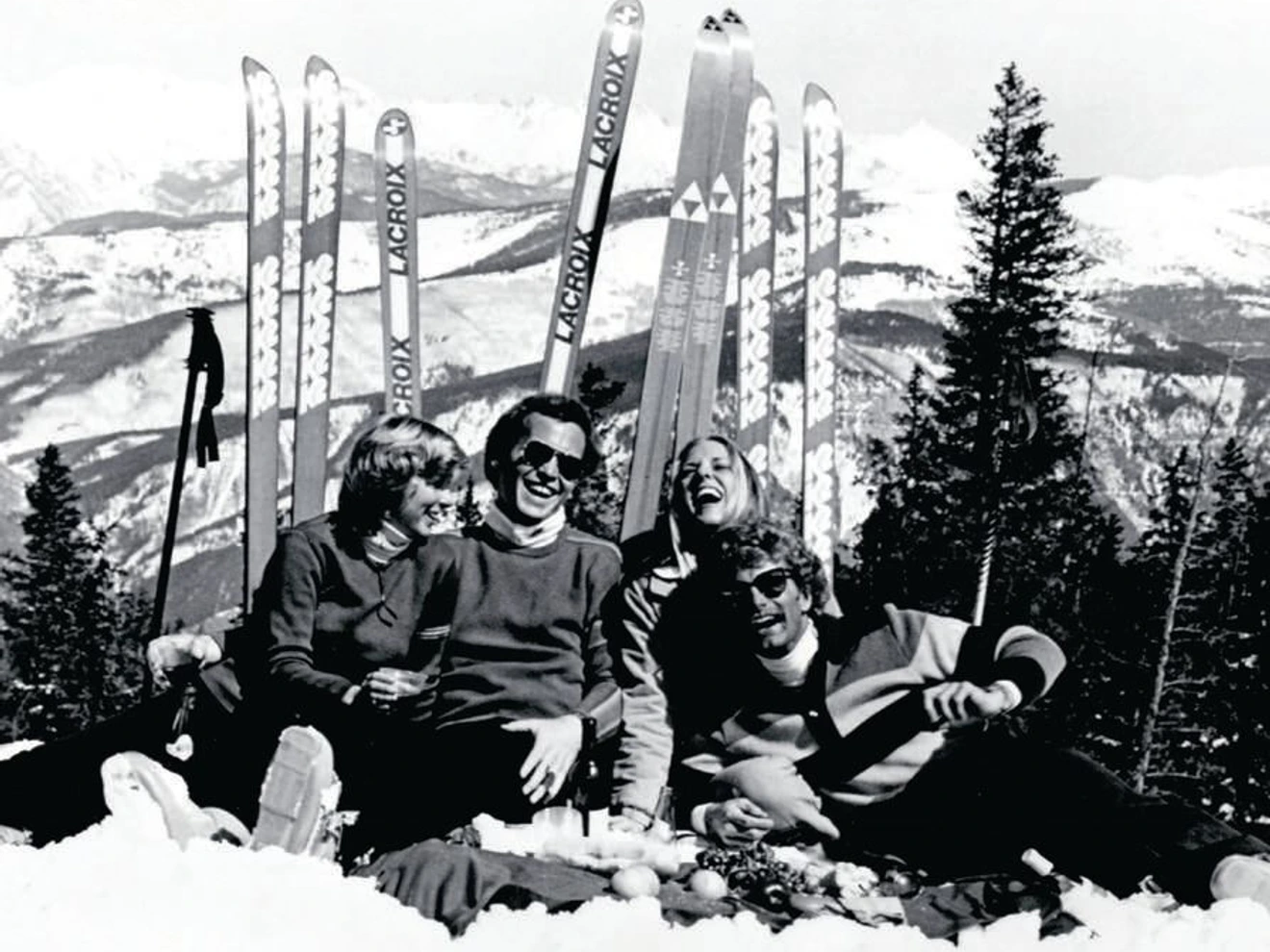
Beaver Creek, the last fully developed ski resort in the U.S., opens in 1980 with four chairlifts, 28 runs and 425 skiable acres. Chocolate chip cookies wouldnât be served on silver platters until 1985.
PHOTO COURTESY OF COLORADO SNOWSPORTS MUSEUM
1989
National Lampoon’s Christmas Vacation starring Chevy Chase is filmed at Breckenridge, with sledding scenes on Peak 8 and the scene where Clark drives the family’s wood-paneled station wagon off the road filmed at the Breckenridge golf course.
1989
The Little Nell hotel opens in Aspen, named after a nearby mining claim.
2023
The Michelin Guide launches in Colorado, awarding its coveted stars to restaurants like Bosq in Aspen, Frasca Food and Wine in Boulder and Brutø in Denver.
2026
Colorado celebrates its sesquicentennial with museum exhibitions, film screenings, festivals and 150 different community drone shows. To honor the 10th Mountain legacy, Leadville’s Healy House Museum & Dexter Cabin (historycolorado.org) will run its Winter Warriors: The 10th Mountain Division in World War II exhibition through Sept. 24, 2027.
History buffs can tour iconic buildings on the Colorado Historic Opera Houses Circuit (coloradooperahouses.com), which connects opera houses built between 1878 and 1913, from the Central City Opera House to Aspen’s Wheeler Opera House. The CO 150 film festival (colorado150film.com) will stage screenings in theaters across the state of classic films connected to Colorado, from True Grit to Butch Cassidy and the Sundance Kid. New this year, the Argo Gold Mill just launched a $71-million, 1.3-mile cable car (argomilltour.com) to the mountaintop above the mill.
In Vail, the Colorado Snowsports Museum (snowsportsmuseum.org), which turns 50 this year, recently opened the Warren Miller: Freedom Found exhibition, an immersive look into the iconic ski filmmaker’s career. And History Colorado’s Moments That Made US exhibition commemorates America’s 250th and Colorado’s 150th (through Oct. 18). It features more than 50 artifacts, including Washington’s spurs, Jackie Robinson’s bat, Apollo 11 moon rocks and the inkwell generals dipped their pens into when signing the terms to end the Civil War.